
General Sustainability Incentives Fund
The General Sustainability Incentives Fund is open to all Emory students, faculty, and staff, and provides up to $3,000 for projects that promote sustainable behavior, conduct research, or make campus improvements that center sustainability.

Emory Bike Social: Modernizing ‘the Fixie’
Emory Bike Social will work towards maintaining and acquiring supplies and materials for the Fixie, including but not limited to updating their Park Tool Bike Maintenance Shop kits and new Electric Bike Motor maintenance tools. These materials will allow the Fixie to continue servicing an increasing number of bicycle repairs weekly and invest in supplies to serve the growing proportion of E-bikes.

The Muscogee Language Tree Trail
This project will place tree identification signs along the Hearn Nature Trail that include English, Muscogee, and scientific names and connect trail users to information about the species. QR codes on each sign will direct trail users to websites that share recordings of native Muscogee speakers saying the tree name. Although outside the timeframe of this funding request, these signs will eventually direct trail users to species-specific information that describes the species’ ecological role in the Georgia Piedmont and on campus, as well as Muscogee knowledge of the species. Information will be written and spoken in English and Muscogee.
Lab Supply Redistribution & Donation Initiative (LSDI)
The Lab Supply Redistribution & Donation Initiative (LSDI) is a pilot program designed to reduce research and clinical waste by creating a tiered pathway for redistributing unused, non-hazardous supplies. The program prioritizes internal sharing among research and clinical teams, followed by redistribution to underserved schools, STEM programs, and community health initiatives. Supplies that remain unused after a defined holding period may be redirected to larger donation partners for bulk kit distribution.
From Farm to Fridge!
Recognizing the synergistic importance of increasing access to nutritious food, supporting the Oxford College Organic Farm, mitigating food waste, and redirecting surplus produce to community members in need, this project proposes a “circular economy” model to sustainably strengthen food security on campus through Emory Dining’s Community Fridge and Food Pantry. Through partnering with the Oxford Organic Farm, the project will strengthen food security on campus through weekly purchases of fresh produce from the Oxford Farm for the Community Fridge.
Biophilic Design for a Healthier, More Sustainable Workspace
This project aims to transform the Global Engagement office environment through biophilic design principles, which emphasize the connection between humans and nature. This project proposes a biophilic transformation of the office space, using low-maintenance plants to enhance wellness, sustainability, and workplace innovation.
Green Labs Incentives Fund
The Green Labs Incentives Fund is open to all certified Green Labs on Emory’s campus, and can provide up to $5,000 to implement sustainable improvements or promote cultural change in the labs.
Sustainable Organic Reactions: Water-Free Reflux as a Strategy for Greener Chemical Processes
The Ackerman-Biegasiewicz Lab’s project focuses on decreasing water consumption and minimizing flooding risk through the use of Findensers, high-performance condensers that replace the need for water-cooled condensers in common chemistry applications, making them both efficient and environmentally friendly.
Energy-efficient heating of large scale reactions
The Wuest Lab’s project works to replace large silicone oil baths with heating mantels capable of fitting the necessary 1-liter and 2-liter round-bottom flasks. Aluminum heating mantles pose a great alternative to oil baths, as they are completely reusable, require little maintenance, and have higher conductivity for greater energy efficiency.
Blakey Lab Goes Green: Higher Throughput Experimentation, Lower Energy Consumption
This Blakey Lab project works to integrate High Throughput Experimentation (HTE) into photochemical reaction development. Photochemical reactions, driven by photon absorption, provide sustainable alternatives to conventional methods and align with Green Chemistry principles. Light as an initiator reduces waste from reagent-based initiators, while atom economy improves through more direct transformations with fewer reagents.
General Sustainability Incentives Fund
The General Sustainability Incentives Fund is open to all Emory students, faculty, and staff, and provides up to $3,000 for projects that promote sustainable behavior, conduct research, or make campus improvements that center sustainability.



Electrifying the Oxford College Farm
The Oxford Organic College Farm purchased a fully electric, rideable mower to increase ease of operation, lower noise levels for operators, eliminate on-site air pollution, and pave the way for renewable energy use.
Resources



Health Library Small Landscape Pilot–Pollinator and Native Species Plants
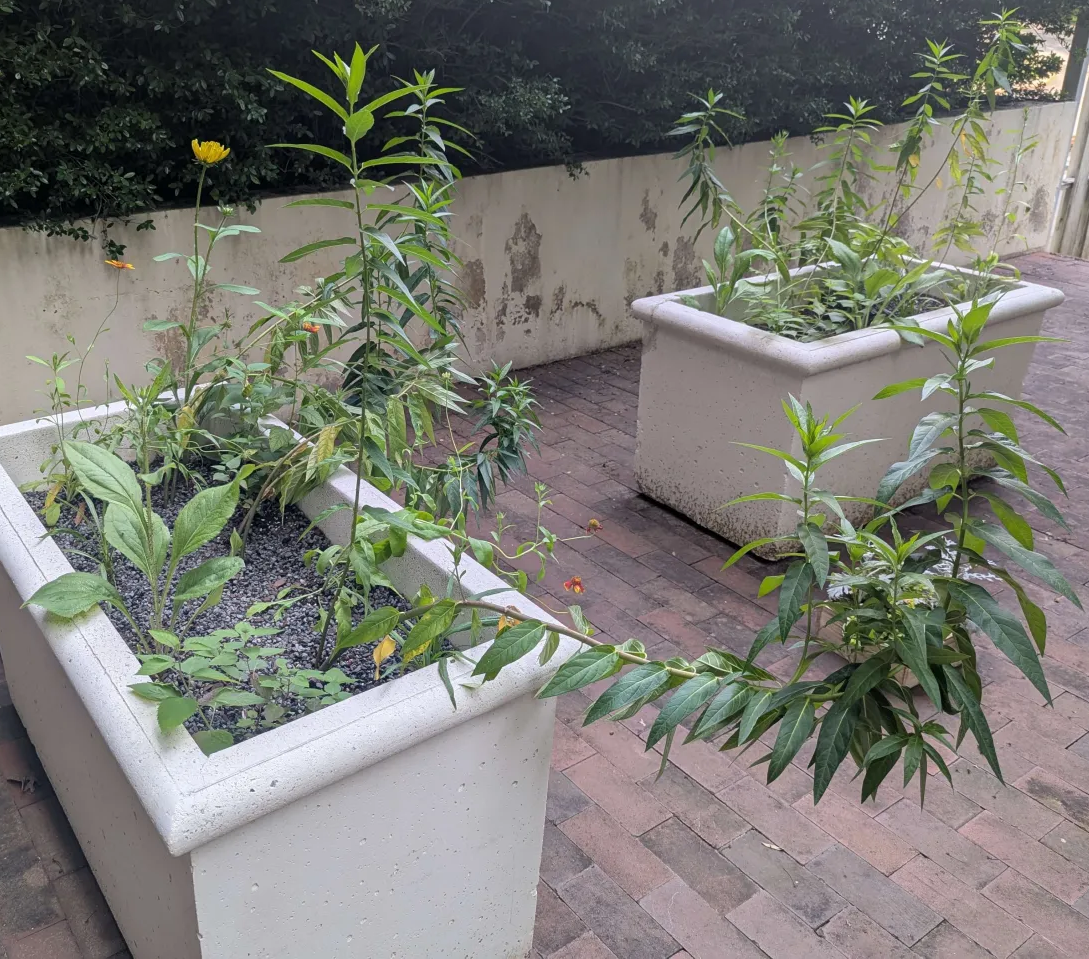
Following the success of last year’s pollinator garden at the Robert W. Woodruff Library by the Emory Library Environmental Sustainability Committee, the Woodruff Health Science Center Library (WHSCL) plans to install a modest planter with some plants outside the window of WHSCL’s Wellness Room as the main library’s garden.
Resources

Reduction of Waste Related to Emory Outdoor Recreation Trips and Rentals
Outdoor Emory aims to significantly decrease the amount of waste generated from food packaging and single-use propane canisters used during outdoor trips by adopting sustainable practices such as bulk food storage and refillable propane tanks.

Educational Gardens Drip Irrigation
The Educational Gardens Drip Irrigation project aims to reduce water usage at the Pitts Theology Garden by using the rain barrel and drip irrigation while allowing student volunteers to learn about gardening methods that reduce water usage.


Library Landscape Pollinator and Native Species Garden Phase II
The Library Landscape Pollinator and Native Species Project Phase II will focus on education through plant identification signage and other forms of outreach programming. It also aims to open the doors to the library more widely by creating a figuratively permeable entrance that brings the library’s knowledge resources outside and into the earth.
Resources


Sustainable Making Workshop Series
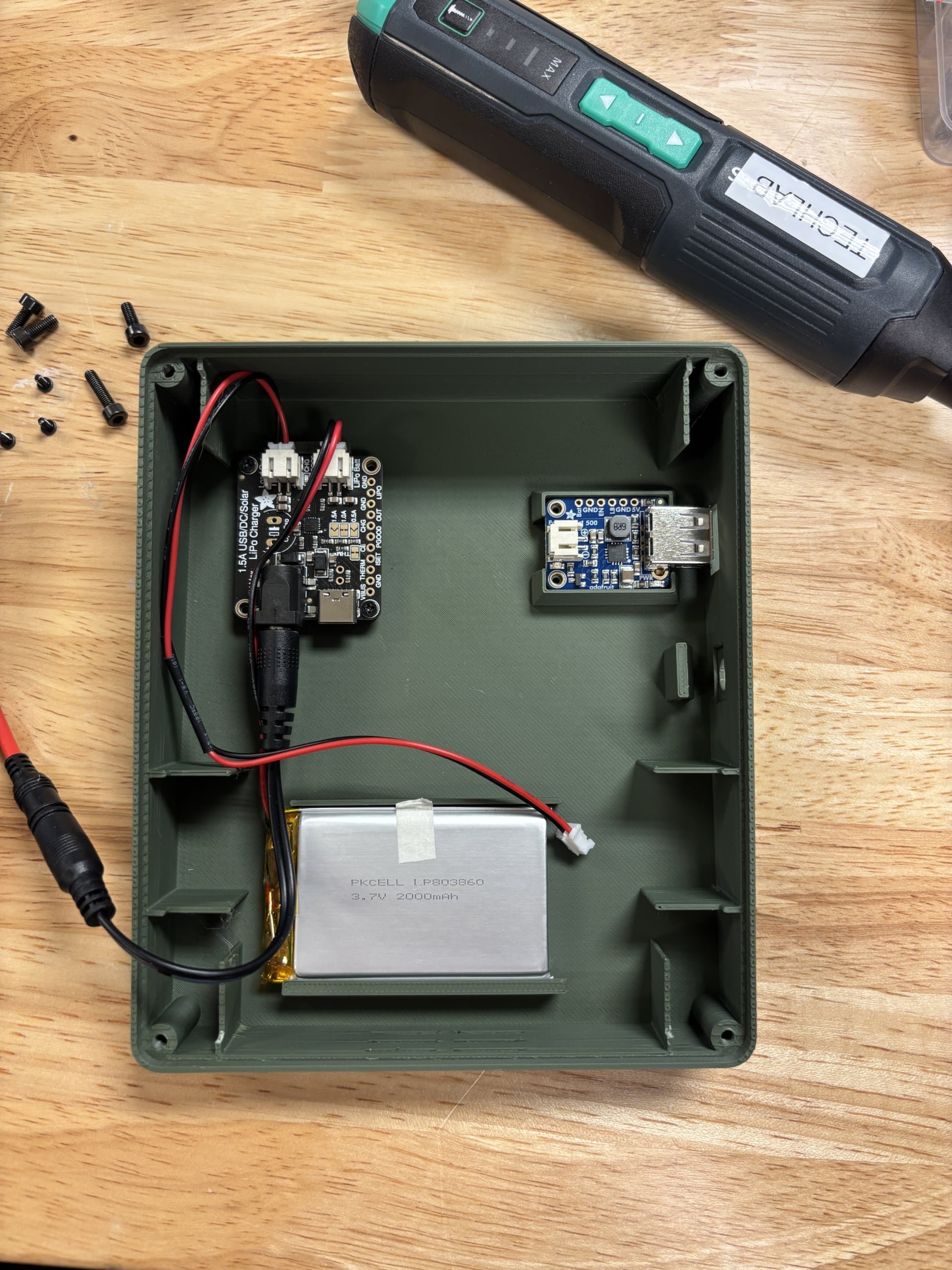
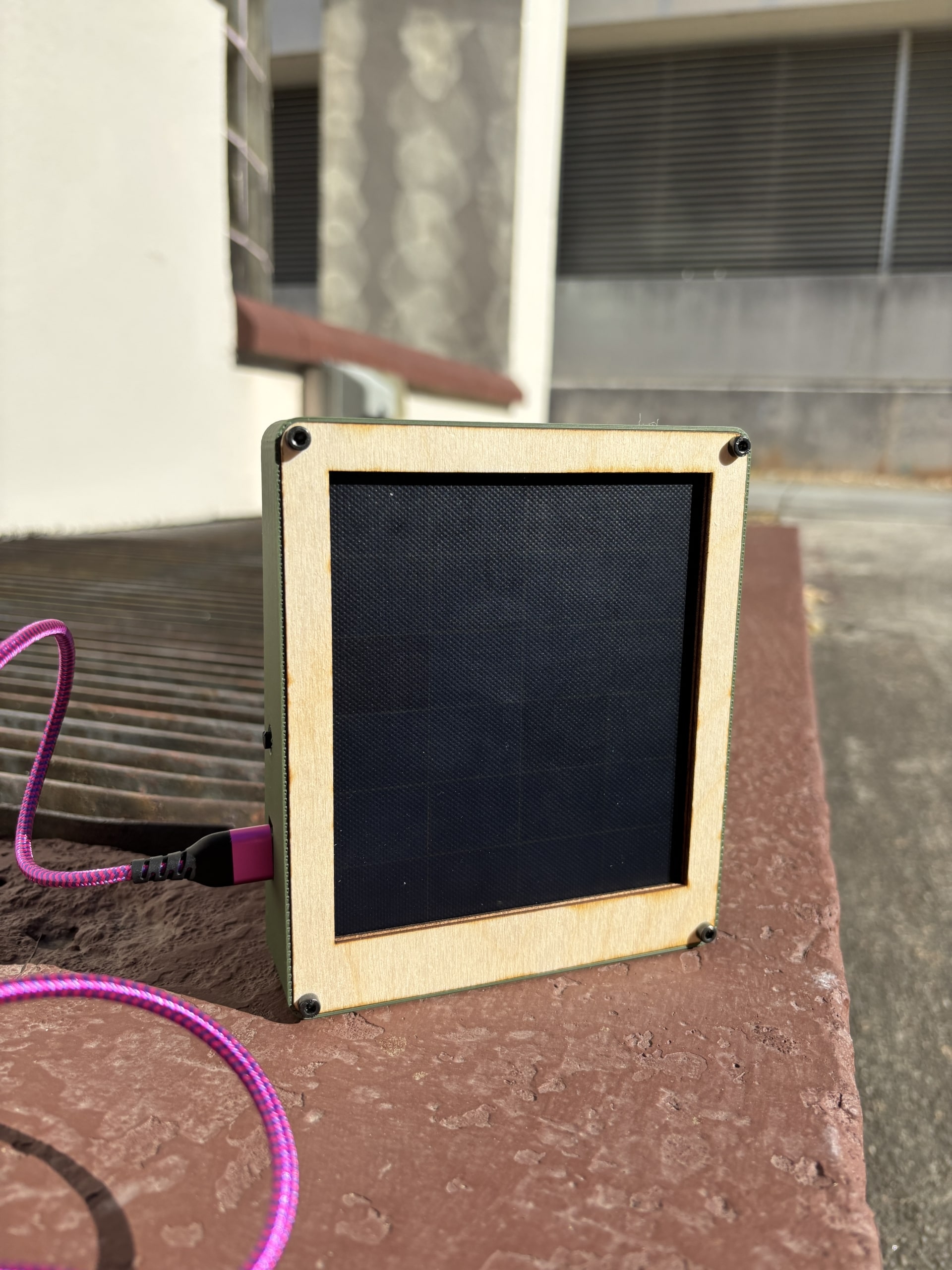
The Sustainable Making Series is a series of two workshops at Emory’s TechLab which will introduce students to new ways of thinking about sustainability and give them hands-on opportunities to create projects made with sustainable design principles.
Resources
Green Labs Incentives Fund
The Green Labs Incentives Fund is open to all certified Green Labs on Emory’s campus, and can provide up to $5,000 to implement sustainable improvements or promote cultural change in the labs.


Green Chemistry for the Extraction of Plant Natural Products
The Quave Research Group aims to reduce the amount of solvent waste produced during phytochemistry (the extraction and study of plant-derived natural products) by at least 50% or more by purchasing a heating mantel and Soxhlet glassware, replacing the current maceration protocol with a Soxhlet extraction protocol.
Resources


Safe, Sustainable Reduction of Biohazard and Chemical Waste During BSL2 Pathogen Research
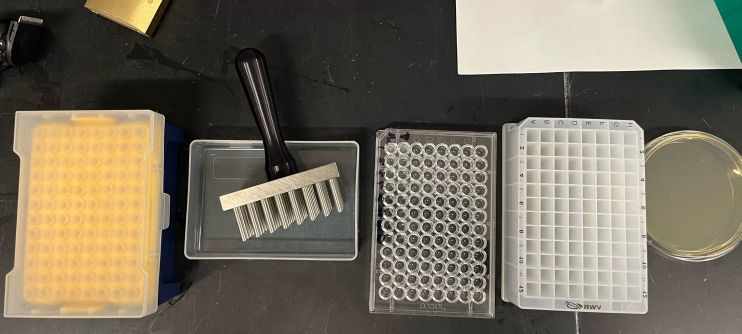
The LaRock Lab aims to reduce biohazard and chemical waste streams from single-use plastic microtiter pipette tip waste by using a pin replicator that delivers a standardized 3-micro-liter volume that can be reused indefinitely.
Resources
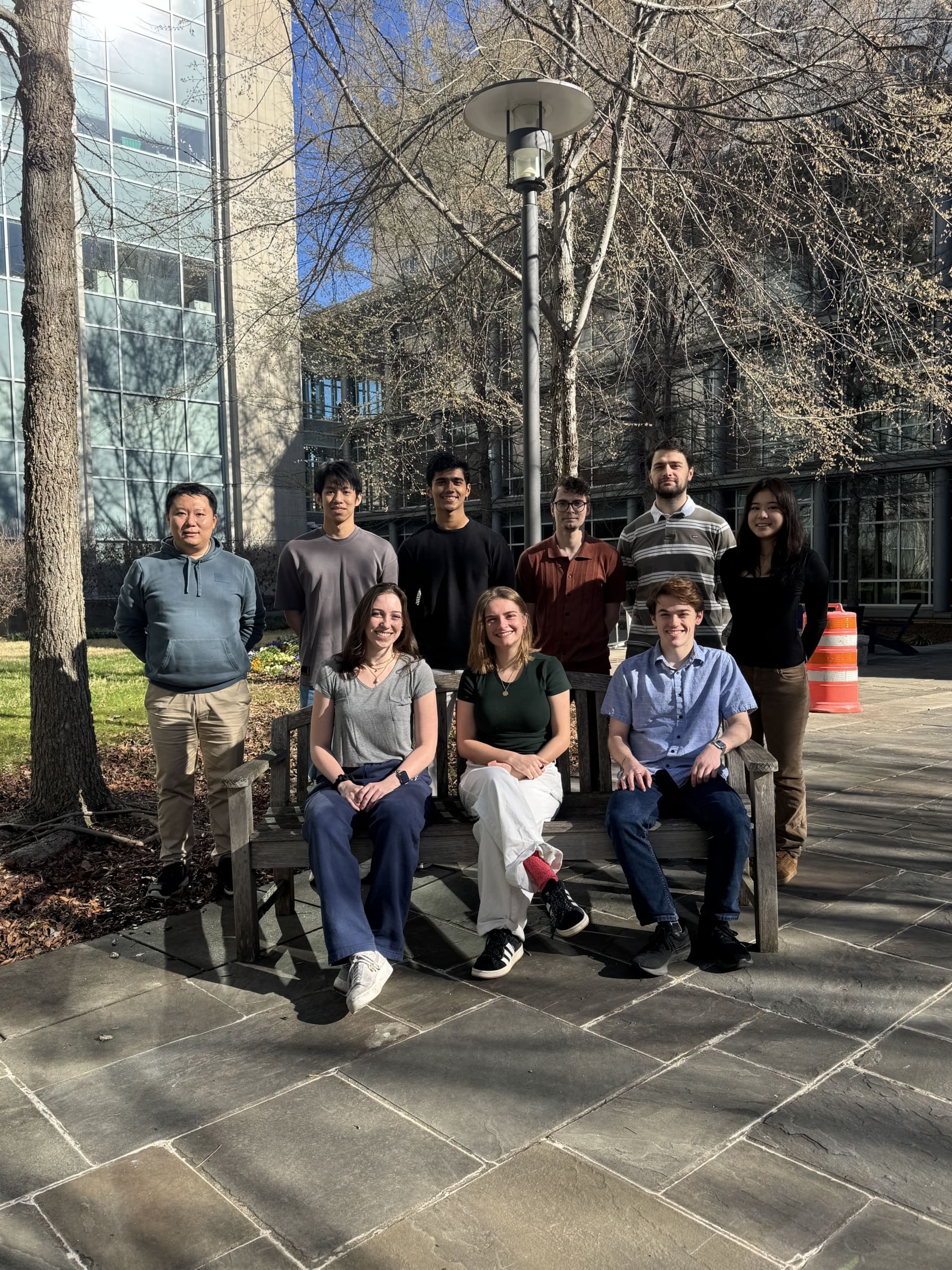


Sustainable Heating and Cooling Methods for Greener Initiative
The Zhai Research Group aims to enable safer and more sustainable heating and cooling for experiments by replacing traditional oil or water baths with aluminum blocks that are more efficient and safer to use in thermal control applications.
Resources
General Sustainability Incentives Fund
The General Sustainability Incentives Fund is open to all Emory students, faculty, and staff, and provides up to $3,000 for projects that promote sustainable behavior, conduct research, or make campus improvements that center sustainability.

Inquiry into the Water Quality of the Atlanta Metropolitan Region
Received funding to test local Atlanta water under the following parameters: pH, alkalinity, hardness, chloride, fluoride, sulfite nitrates, and fecal coliform levels. This project aims to determine local water quality and recognize potential risks or hazards on human health and the environment.
Resources
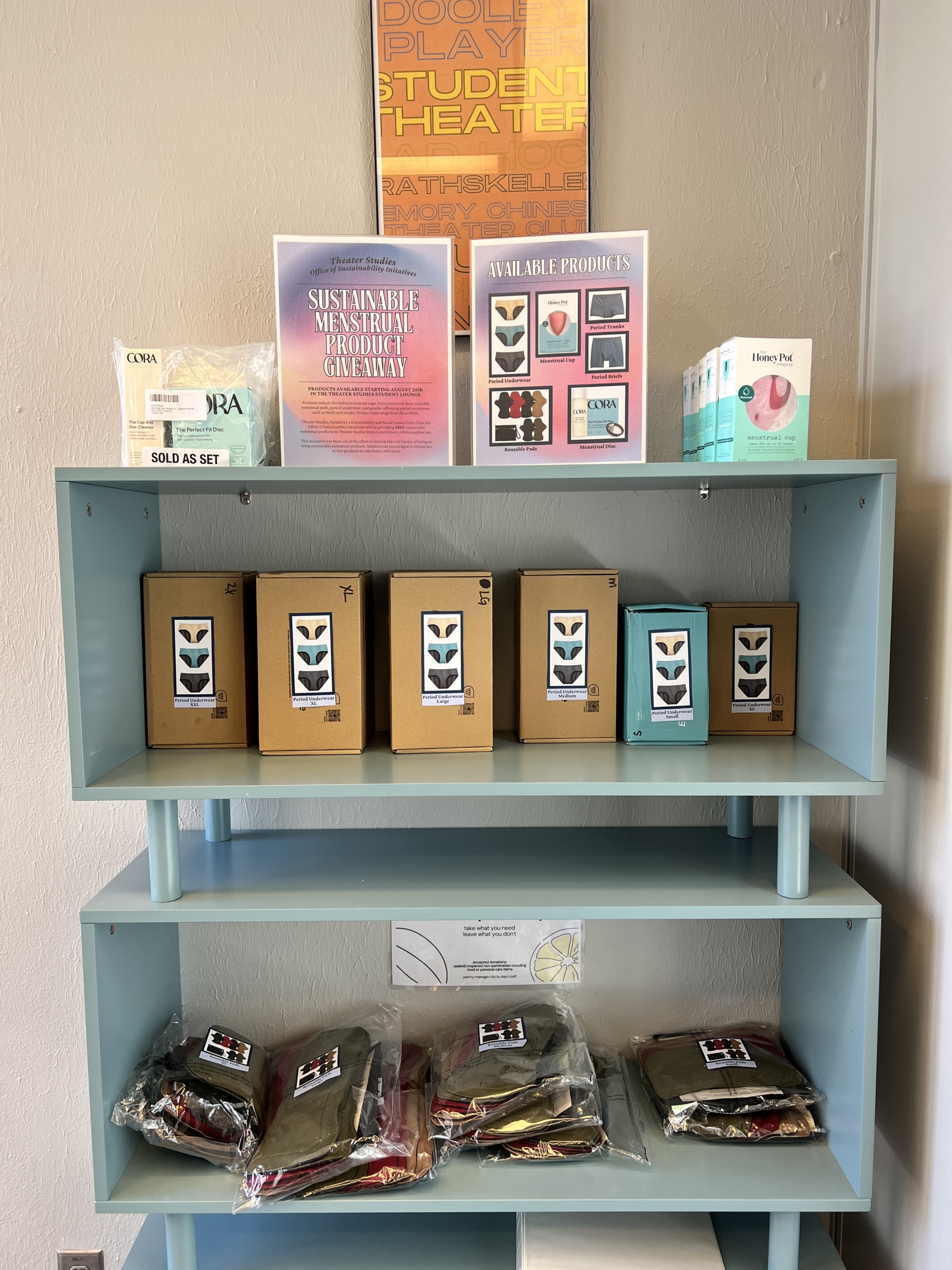
Decrease Energy Use; Increase Inclusivity
Received funding to create a more sustainable and inclusive space in the Rich Memorial Building, by changing multiple light switches to automatic lights in order to save energy, convert all restrooms to All Gender Restrooms, and provide reusable menstrual products such as diva cups in the student pantry and restrooms to reduce landfill waste and period poverty on campus.
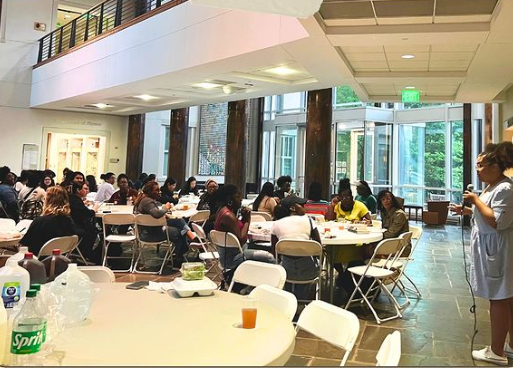
Menstrual Health Awareness and Resources Coalition’s (MHARC) Annual Distribution Day
Emory Menstrual Health Awareness and Resources Coalition (MHARC) purchased sustainable menstrual products such as reusable pads, diva cups, and period underwear for students facing period poverty. MHARC purchases the products in bulk, packages it, and holds a “Distribution Day” for students to pick up.
Resources
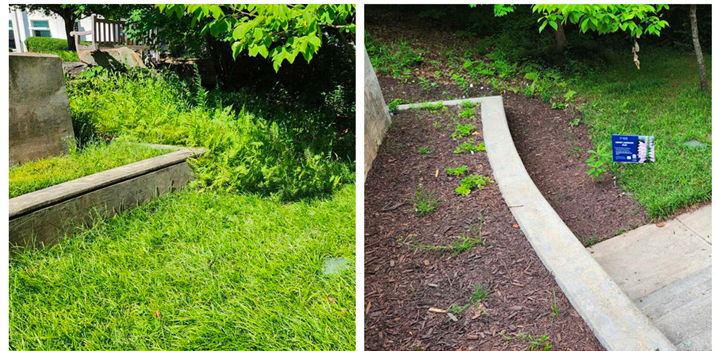
Library Landscape Pilot – Pollinator and Native Species Plants
Received funding to reshape the landscaping at the entrance of Woodruff Library to introduce native plants that support pollinators such as butterflies, bees, and hummingbirds. In addition to the ecosystem benefits of this project, the remodeling of the outdoor space provides a pleasurable environment for students, faculty, and staff, and visiting prospective families.
Resources

Acoustic Panels for “Songs from the Compost” Installation
Received funding to install Envirocoustic Wood Panels into their “Song from the Compost” exhibit, which explores the interconnectedness of biology, nature, and the human body, as well as the different “dimensions of symbiotic life: interdependence, surrender, death, and decay.” Learn more about their exhibit.
Resources
Green Labs Incentives Fund
The Green Labs Incentives Fund is open to all certified Green Labs on Emory’s campus, and can provide up to $5,000 to implement sustainable improvements or promote cultural change in the labs.
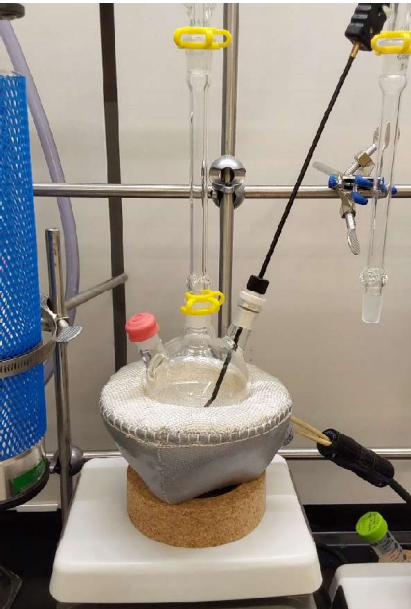
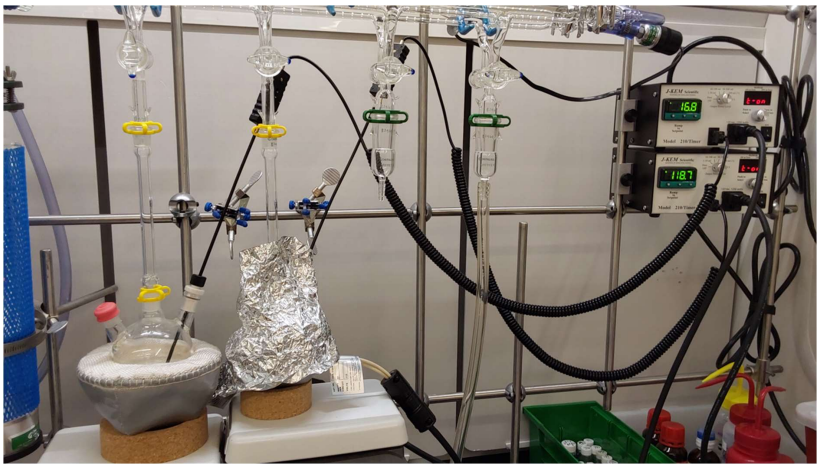
Precise, Green, and Safe Heating for Nano Material Synthesis towards Renewable Energy
Received funding for the Chemistry building to purchase temperature controllers and heating mantles, a sustainable alternative to energy-intensive oil baths.
Resources
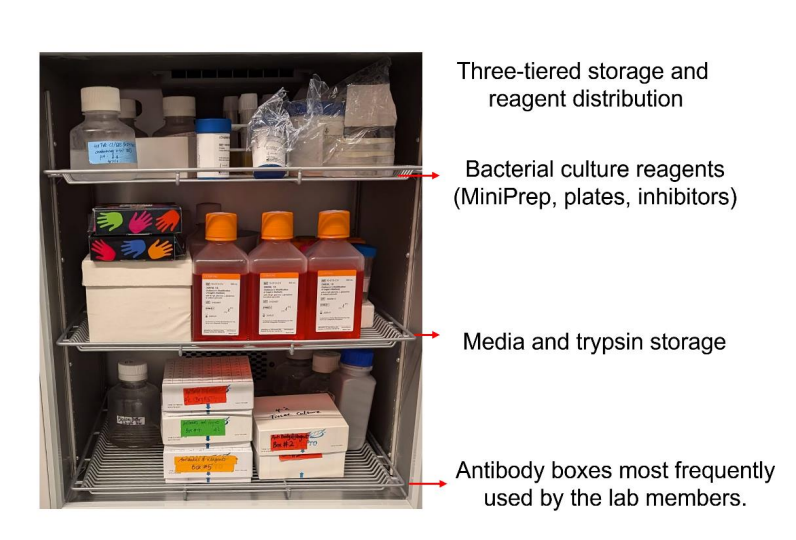
Sustainable Mini Refrigerator for Reagent Storage
Received funding for the Emory’s Children Center Lab to purchase contained, eco-friendly mini-refrigerators to minimize and replace the persistent and frequent use of the cold room storage facility to access daily use-reagents and chemicals. The installation of mini refrigerators will allow for a more sustainable environment by improving both the energy efficiency and ease of access to reagents.
Resources
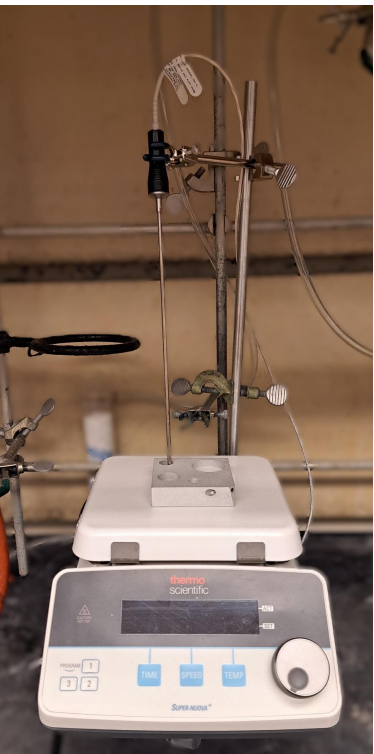
A Green Chemistry Revolution – Transformation with Sustainable Heating Final Report
Received funding in the Chemistry building to replace energy-intensive oil baths with energy-efficient Super-Nuova+ Series Hot Plates and Stirrers. These cutting-edge hot plates not only provide superior heating control, but also feature an integrated timer function, conserving energy by automatically shutting off after a predefined time.
Resources
Sustainable Practice in the Liotta Lab
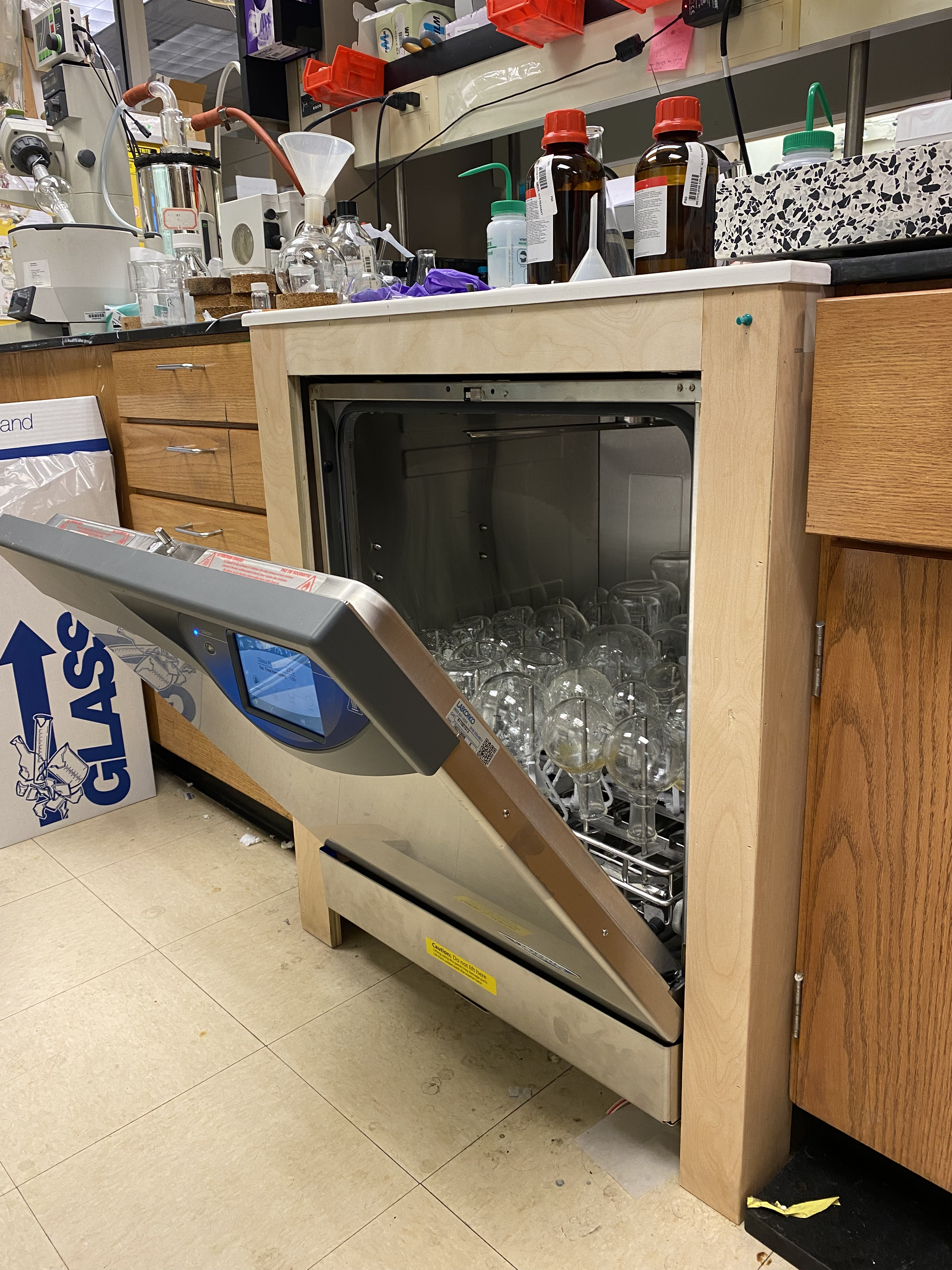
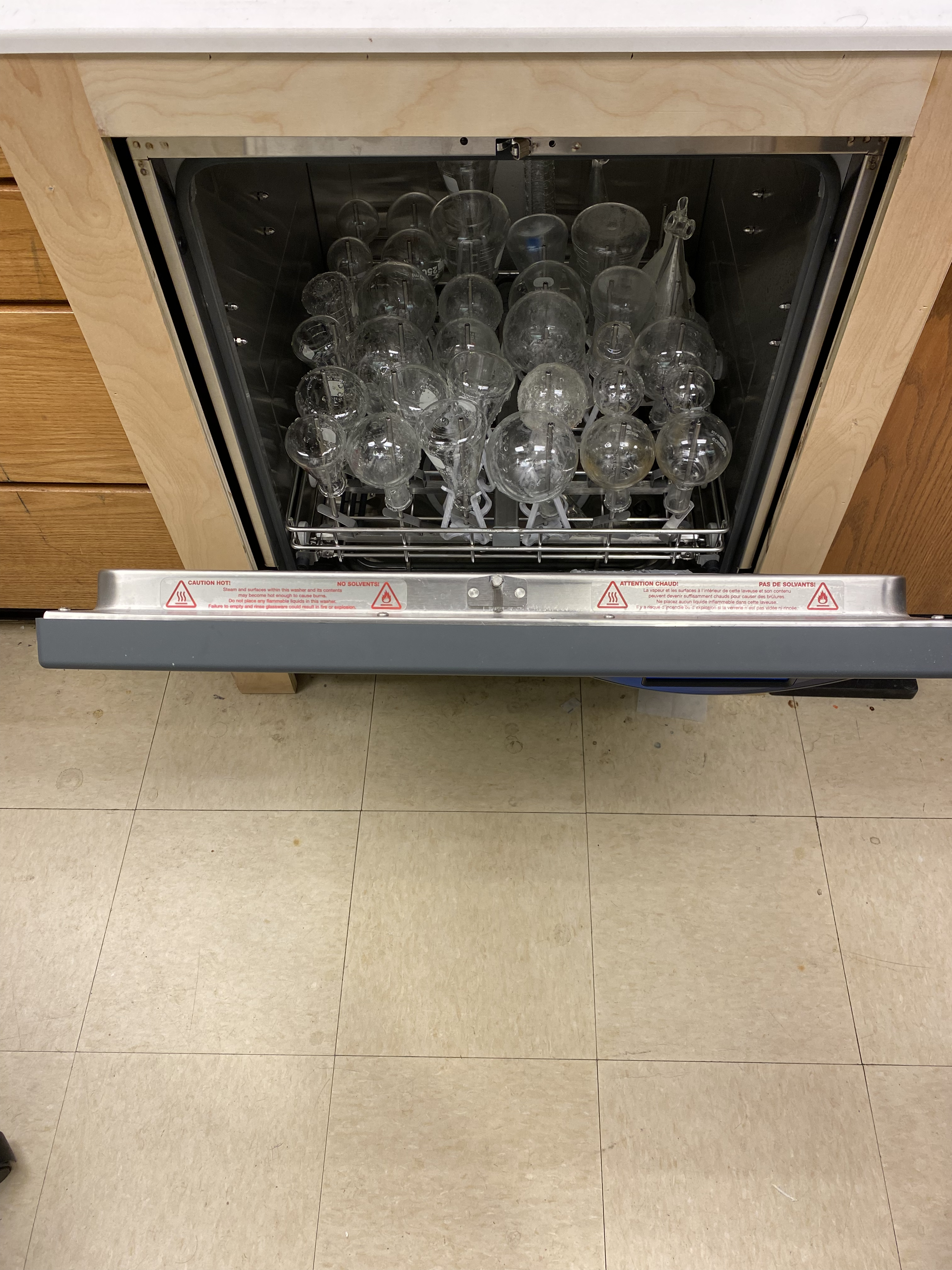
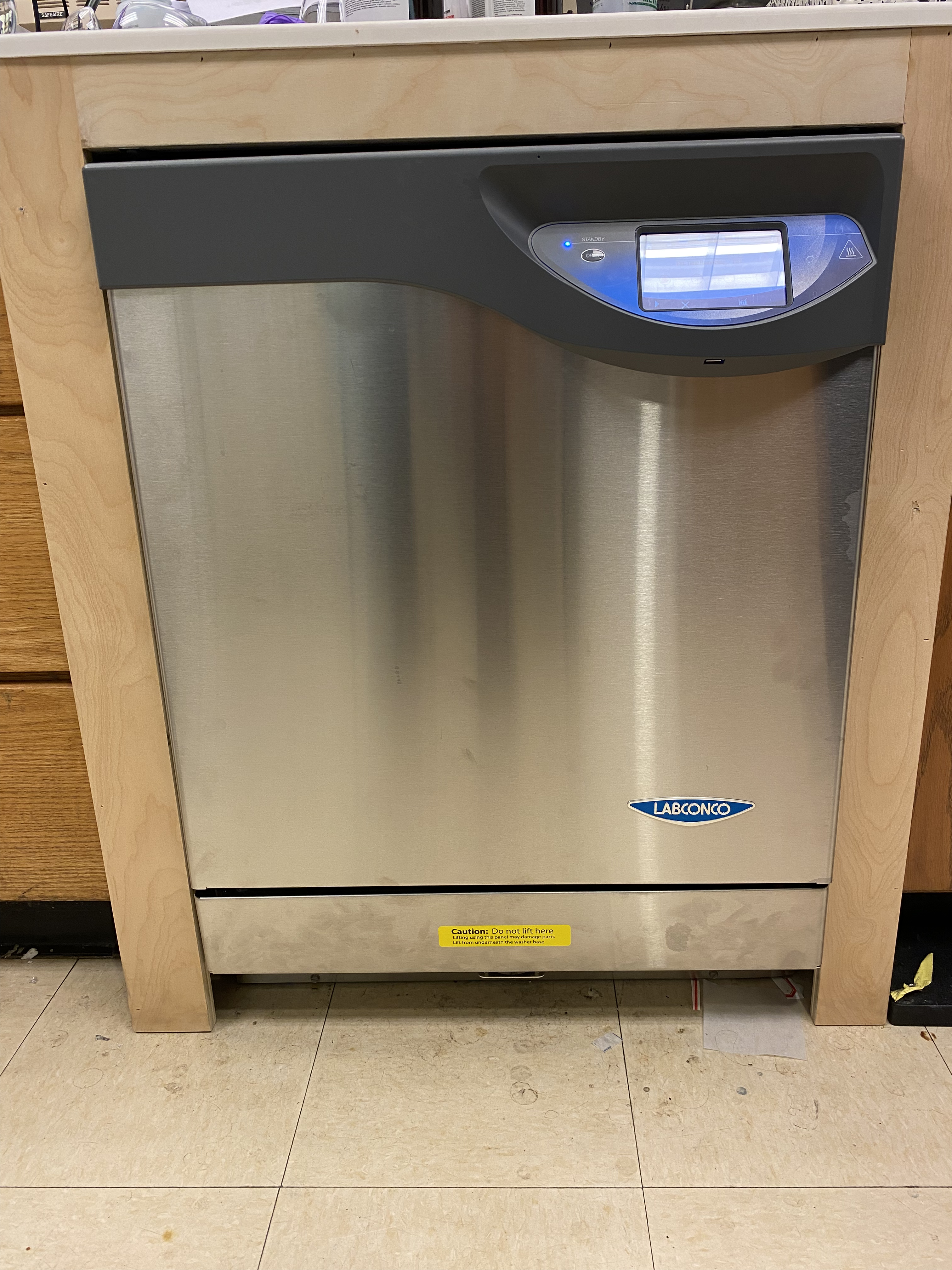
Received funding to purchase and install a dishwasher in the Emerson 3rd floor lab to replace the practice of hand-washing, which uses five times more water than dishwashing. In addition to the reduction of water use, most chemistry labs use a solvent (acetone or ethanol) rinse after washing with water. A dishwasher has the potential to divert hundreds of gallons of water and solvent waste.
Resources
Ultrapure Water on Site to Reduce CO2 Emissions from Purchased Fluids
Received funding to purchase and install an ultrapure quality water purification system to replace the current practice of buying LC-MS-grade water on a regular basis. This investment greatly reduces the carbon dioxide footprint of the Chandler Lab.
Blakey Lab Goes Green – Year 6
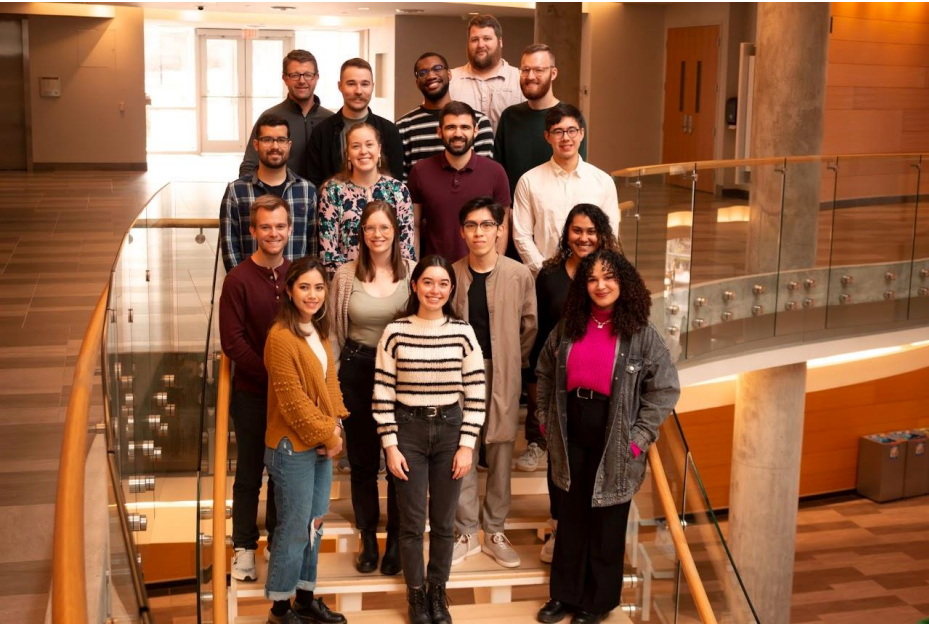
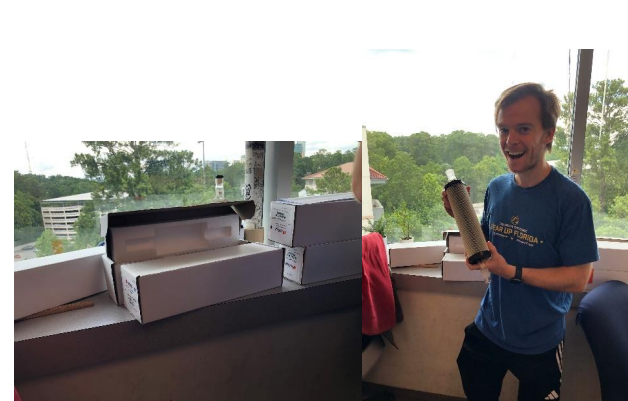
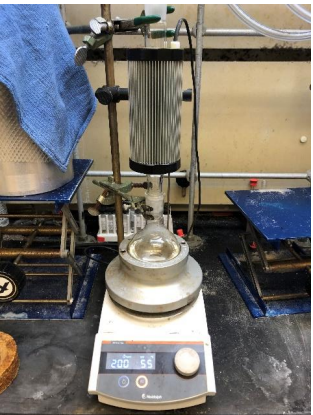
Received funding to invest in eight water and electricity-free condensers, called Findensers, in the Blakey Lab. The purchasing of this equipment allows for a major reduction in water and energy usage, making the Blakey Lab an even more sustainable space!
Resources
Green Offices Incentives Fund
The Green Labs Incentives Fund is open to all certified Green Labs on Emory’s campus, and can provide up to $5,000 to implement sustainable improvements or promote cultural change in the labs.
Sustainable Tote Bags for Woodruff Library 2.0
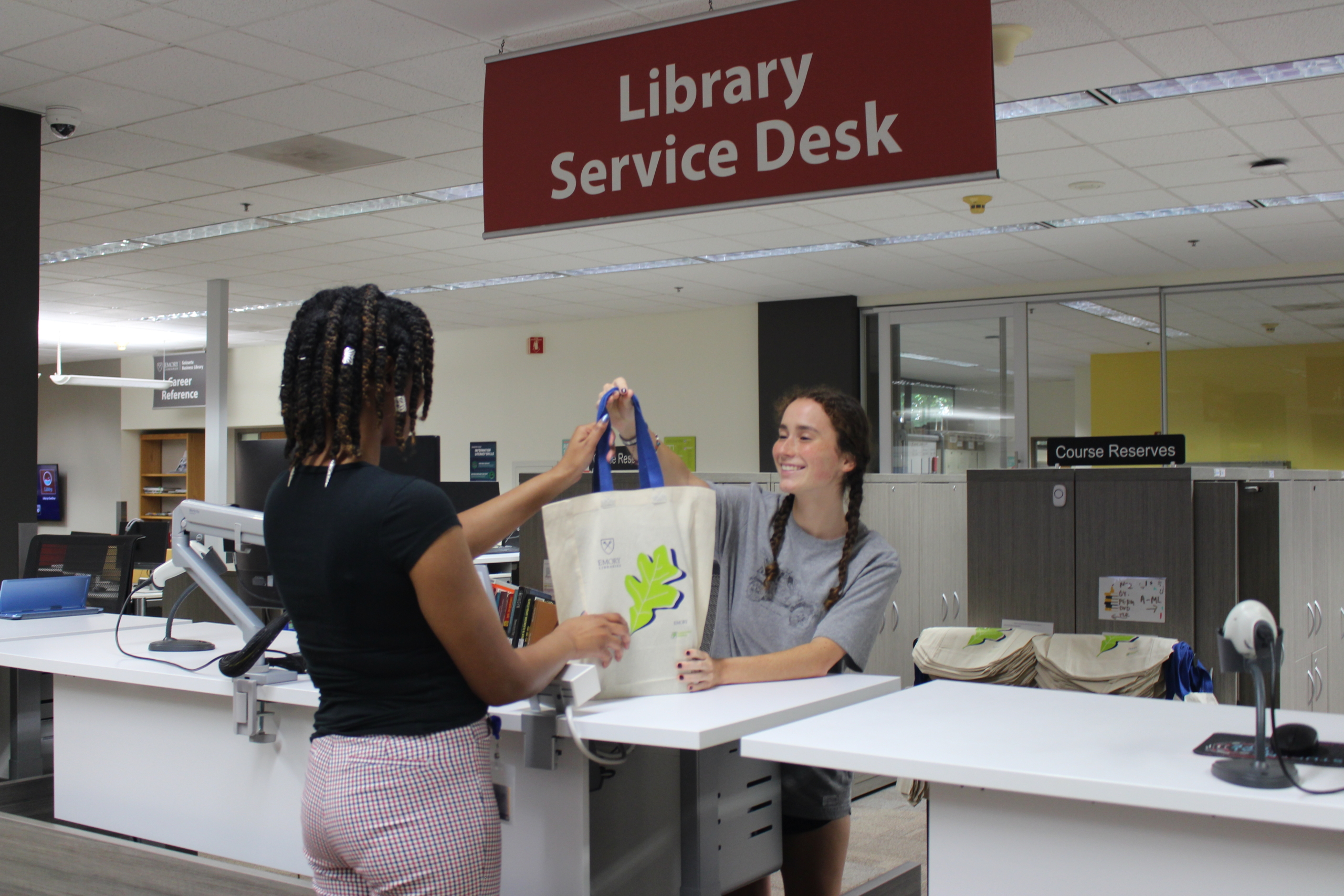
Emory Libraries made a permanent change toward a more sustainable material in the tote bags offered to library patrons at the Library Service Desk. They moved from tote bags made of plastic or polypropylene to tote bags made of cotton.
Resources
General Sustainability Incentives Fund
The General Sustainability Incentives Fund is open to all Emory students, faculty, and staff, and provides up to $3,000 for projects that promote sustainable behavior, conduct research, or make campus improvements that center sustainability.
Dorm Room Weatherization
Received funding to establish a pilot installation of window films and thermometers in student dorm rooms to determine if energy usage is reduced in a cost-effective manner when thermostat use is determined by student habits.
Outdoor Emory Sustainable Exploration Initiative
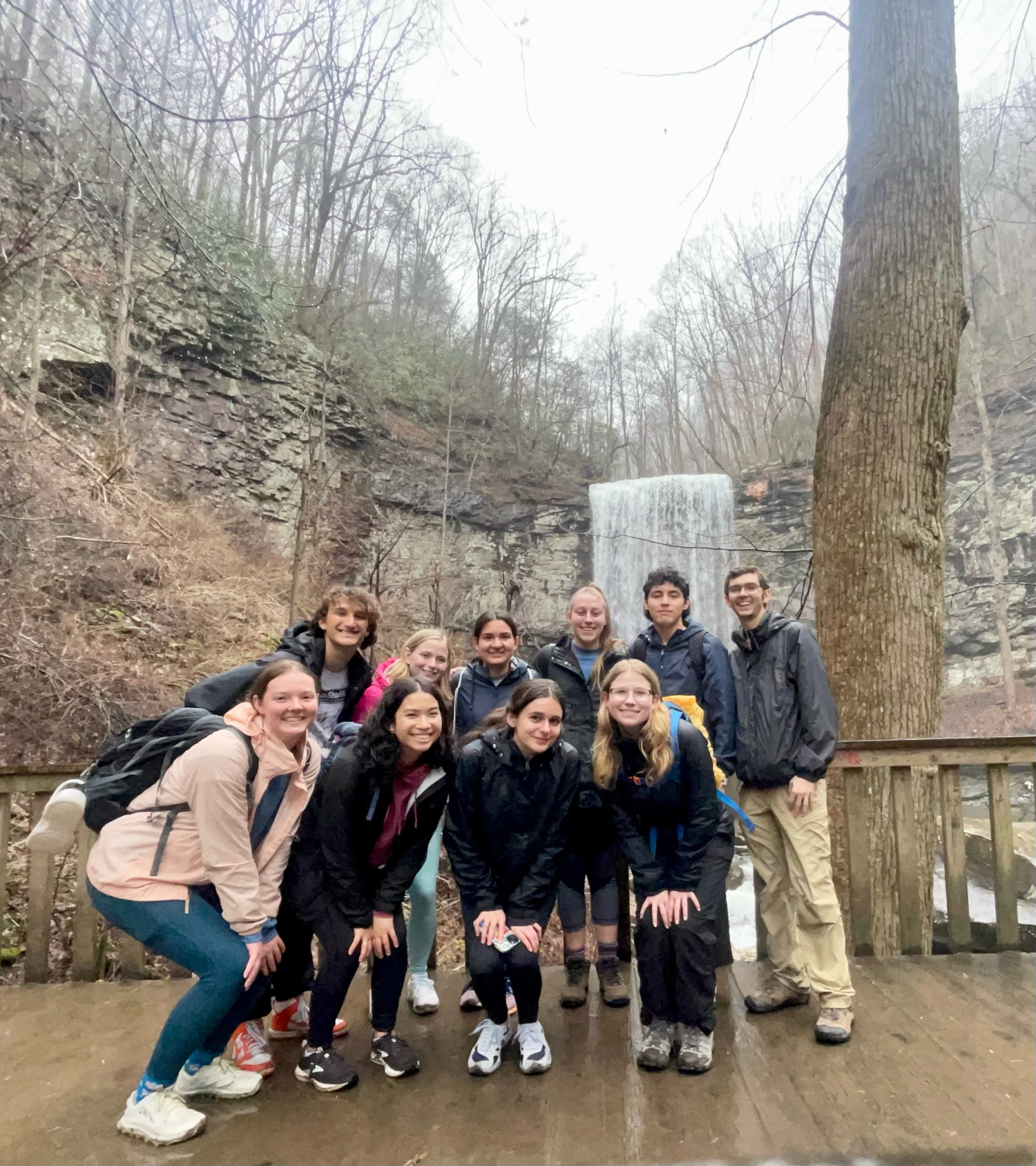
Received funding to purchase reusable camping dishware sets that can be checked out to reduce the use of single-use plastics on Outdoor Emory trips.
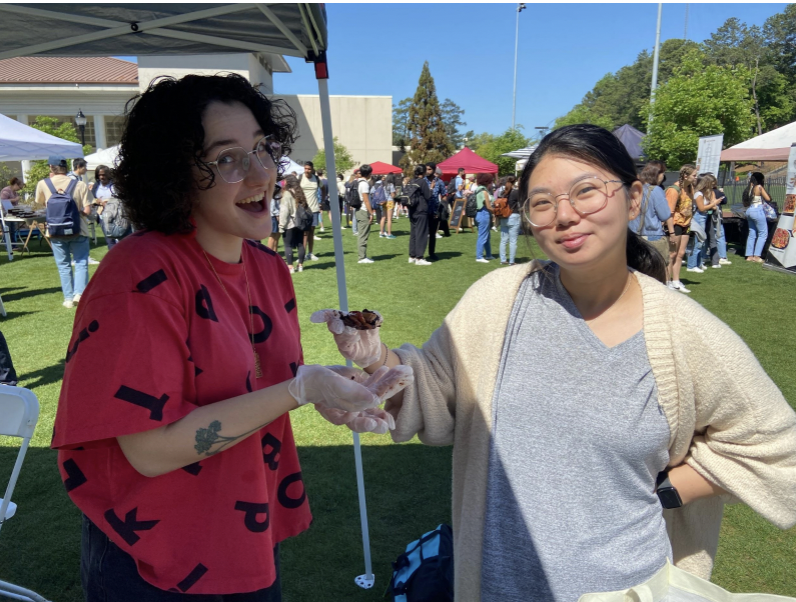
Cooking Conversations
Received funding to host monthly cooking demonstration at the Emory Farmers Market to share simple dishes that center local and seasonal vegetables, with an emphasis on inviting and building appreciation for the staff engaged in preparing food throughout Emory’s campus, such as Bon Appetit Staff.

Assessing Indoor Air Quality Across Emory’s Campus
Received funding to install air quality monitors at four sites across Emory’s Atlanta campus to measure indoor carbon dioxide, volatile organic carbons, particular matter, and humidity to determine if there are indoor air quality health risks for student, staff, and faculty.
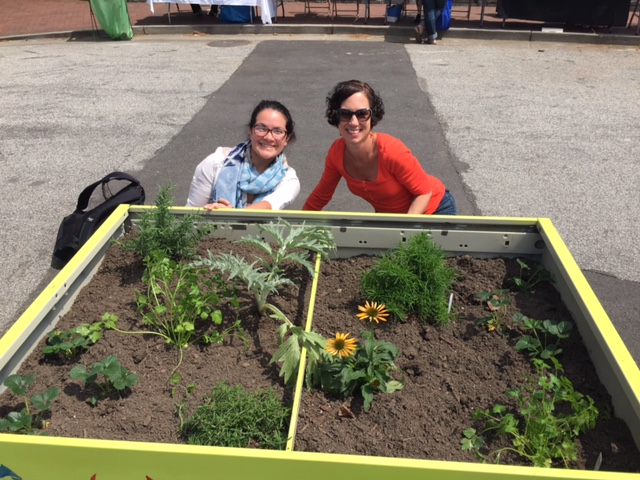
Oxford Campus Garden
Received funding to construct two garden beds to provide Oxford College students an opportunity to experience small-scale gardening and create a communal gathering space.
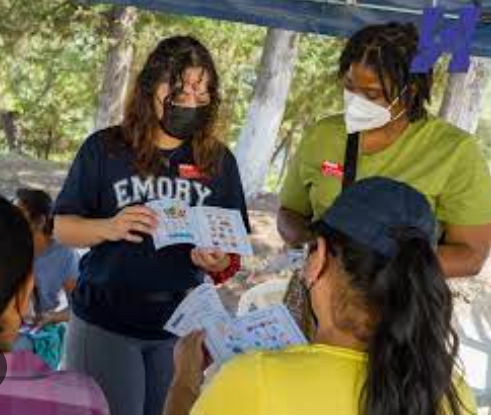
Emory Helps Guatemala – Community Development
Received funding to purchase twelve ONIL cooking stoves and water filters from HELPS International to replace open-air cooking stoves for households in Guatemala. Reducing smoke inhalation and filtering water significantly reduces health risks, and the improved firewood efficiency frees up household income and reduces deforestation pressure. The project team hosts on-campus events throughout the year to raise awareness among and engage the Emory community in its cause.
Green Labs Incentives Fund
The Green Labs Incentives Fund is open to all certified Green Labs on Emory’s campus, and can provide up to $5,000 to implement sustainable improvements or promote cultural change in the labs.
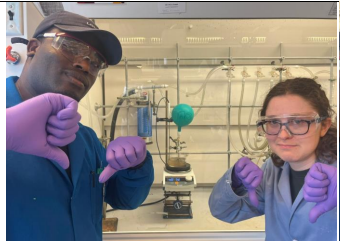
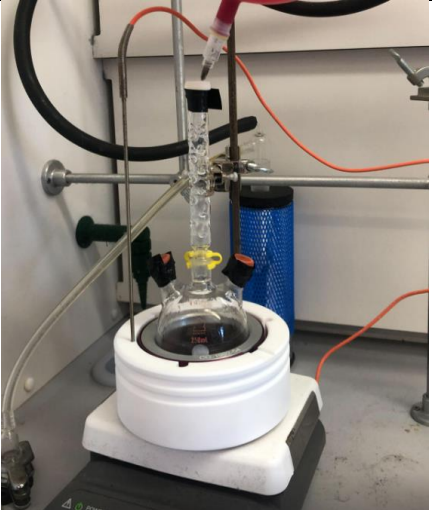
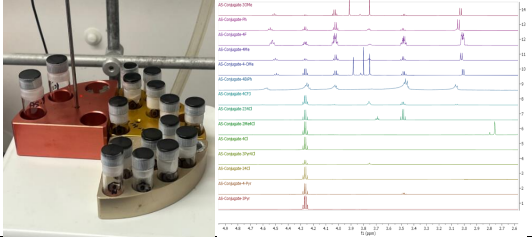
Sustainable Heating and Cooling for Organic Synthesis
Received funding to pilot aluminum heating blocks that replace silicone oil baths in the Wuest Lab. This reduces the use of hazardous and toxic materials and increases energy efficiency for heating organic reactions. This project also used the funding award to install larger and more efficient dry ice storage to reduce loss of dry ice from evaporation and reduce the frequency of deliveries. The photograph below shows a before and after shot, replacing the oil baths with the sustainable, energy-reducing blocks!
Resources
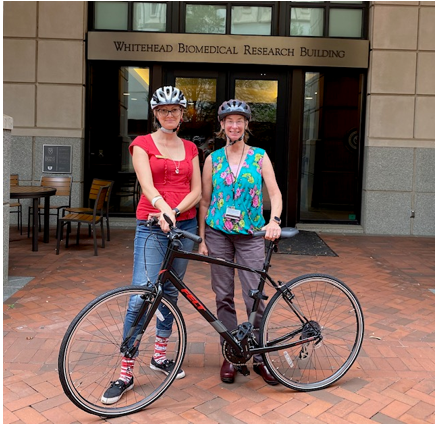
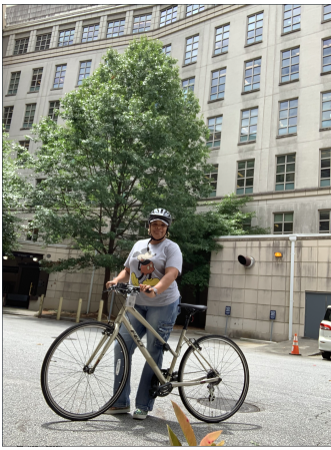

DAR Bike Fleet
Received funding to purchase pilot fleet bikes to provide sustainable, on-campus commute options for the Division of Animal Resources, whose staff is responsible for the care and welfare of research animals distributed throughout nine facilities across the Atlanta campus. The photograph on the right pictures Franz Hippolyte, who now regularly rides between the Woodruff Memorial Research Building, the Emory Children’s Center, the Whitehead Biomedical Research building, and Winship Clinic B, thanks to the Green Labs Funding Award!
Resources
Green Reaction Development with Photochemistry
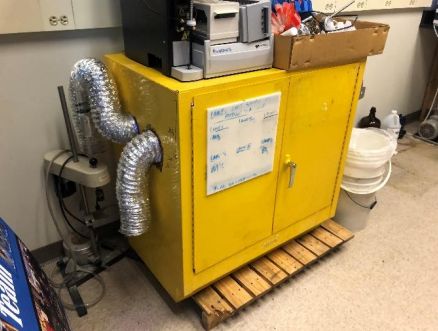
Received funding to invest in a photoreactor to expand research in the best practices for photochemical reactions in the Blakey Lab. The investment in a photoreactor can reduce the generation of hazardous and non-hazardous waste, reduce energy use, and utilize more sustainable solvents, as compared to traditional synthetic reactions. The photos show the old photoreactor setup, containing a large fan, multiple high-energy lights, several stir plates, and the new photoreactor with an integrated fan, LED light, and stirring functionalities.
Resources
Green Offices Incentives Fund
The Green Labs Incentives Fund is open to all certified Green Labs on Emory’s campus, and can provide up to $5,000 to implement sustainable improvements or promote cultural change in the labs.
Energy Reduction at the Carlos Museum with Motion Detectors for Overhead Lights
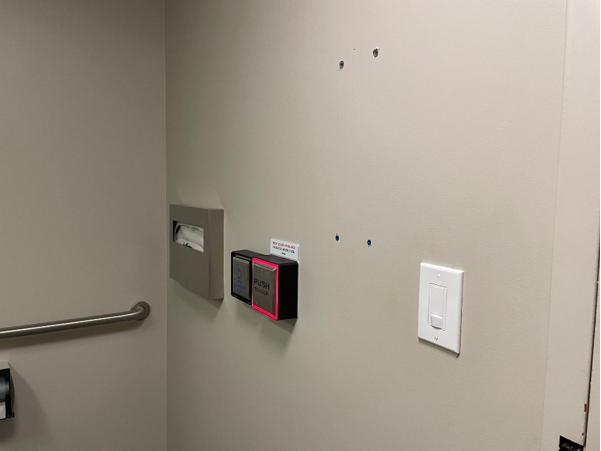
Received funding to install eleven motion-detector light sensors in common areas and bathrooms throughout the Carlos Museum to reduce overhead light energy consumption.
Resources
$500
awarded in FY 2025 for Green Office small grants
$10,855k
awarded in FY 2026 for Green Lab grants
$20,625
awarded for the 2026 Incentives Fund program